

Filteration
Uthan Must-Have Plants for Mother’s Day
- admin1
- No Comments
- January 20, 2022
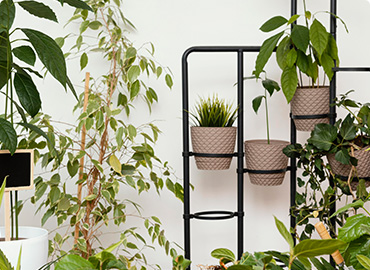
Gift for your special someone at her favorite store! We have THOUSANDS of gift options for your Mom, a special Mom in your life, or even for you to put on your children’s wish lists! Our footprint has grown as a result of the recent development, with additional plants she’ll adore, a large pavilion full of gift ideas for her home + garden, pottery in all sizes and colors, furniture, and much more. Gift cards are a convenient and quick gift that allows Mom to purchase for her favorite items at any time of year. If you’d want to get Mom a special plant, we’ve compiled a list of blooming beauties that we think she’d like right now! Choose from lovely blossoms, or plants in Mom’s favorite color family. There are gift options around every corner; come stroll and browse! Because we have so many plants and pots, treat Mom to a bespoke container garden! We can assist you in selecting the appropriate plants for full sun or partial shade. Mix and match colors and textures, or stick to one color—the choices are endless! Pentas, vinca, salvias, angelonias, zinnas, and many more full-sun plants thrive in containers. Caladiums, begonias, torenias, impatiences, and many more plants are excellent for Mom’s more shady region. Hydrangea are beautiful flowering vines that produce blossoms as large as your hand. These are hardy perennials that prefer to keep their roots covered but can tolerate some sun. There are several colors to choose from, ranging from white to vibrant purple. They look beautiful on a trellis in a huge pot, on a wall, on an arbor, a mailbox, and other climbing structures. Most mothers adore the delicate, pleasant appearance of daisies. Shasta doesn’t let you down. It can be planted in Mom’s garden or mixed together with others in a full-sun container. Cutting the blossoms, . and using them as a tabletop reminder of your Mother’s Day gift is a delightful thing for Mom to do with these. Unlike a store-bought bouquet, this type of “cut flowers” lasts far longer Do you think Mom would appreciate unusual trees that add interest (and shade) to a back or front yard? A Japanese Maple tree is a great choice. The mature height, leaf and/or bark color vary each variety, but they all have a light, wispy appearance that makes them the center of attention—much like Mom on Mother’s Day. Indoor plants bring the outdoors in, soothe moods, and, most importantly, filter the air so Mom can stay healthy and happy, whether she works in an office, works from home, or simply appreciates the aesthetic of living plants in her home space. Our greenhouse is brimming with possibilities, including all hues of green, succulents, and cacti for the mom who prefers a unique design, or the traditional Uthan Ivy, or the fashionable Peperomia or Bow Leaf Fig.
Uthan Lawn Care Will Make You Fall in Love
- admin1
- No Comments
- December 21, 2021
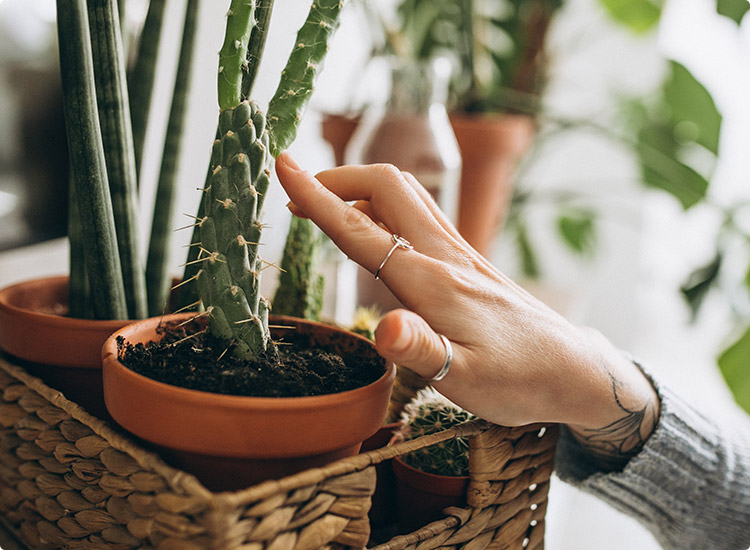
Autumn is one of the most essential seasons for grass maintenance. Giving your grass sufficient care now, regardless of the weather, can help it thrive in the spring. We’ve compiled some of our favorite professional recommendations to help you get started so you can fall in love with your lawn all year. The easiest approach to assure consistency by the time spring and summer arrive is to stay on top of lawn care upkeep in the autumn. The measures below will assist you and your lawn in being prepared. It’s not time to put your lawn mower away just because summer is done! Mowing your lawn is an important element of lawn care all year, but especially in the fall. It not only keeps your outdoor living space appearing tidy and well-kept, but it also keeps your lawn healthy and free of unattractive weeds and insects. However, after your lawn has stopped growing or gone dormant, you should prepare to put your mower away. Rain and frequent irrigation help grass thrive during the summer months. However, because of the colder temperatures, grass growth slows down in the fall, requiring less water. Overwatering should be avoided; more than one inch of irrigation once or twice a week might result in excessive top growth. Once your grass has ceased growing or gone dormant, there is no need to water it. How quicker is the approach to begin your lawn maintenance than at the beginning? Your soil needs a balance of nutrients to keep your grass lush and green throughout the year. If your soil has an uneven pH level, you may need to fix it with a lime or sulphur treatment. A Uthan specialist can determine what types of fertilizers need to be administered to help your grass reach its full potential by examining the state of your soil. Doing so in the fall allows your soil to rebalance before the spring. Fortunately, our Soil Amendment services are a quick and simple way to determine and balance your soil’s acidity, allowing you to maintain your grass green and healthy all year. It is critical to undertake the necessary fall maintenance actions at the appropriate time to achieve the greatest outcomes. Our best advice is to devote a few hours each weekend on bringing your lawn up to par using these suggestions. You’ll feel better knowing that you’re on your way to preparing your lawn for winter and a better springtime. Whereas the techniques above are straightforward to implement on your own, there are some more sophisticated aspects of fall lawn care that may require assistance. After all, caring for your outdoor living area in the fall requires more than raking, mowing, and watering; it also entails fertilizer, aeration, and over seeding, as well as weed management, pest control, and tree and shrub protection. All of these jobs may be delegated to the professionals, leaving you with a lovely outdoor living area to enjoy come spring.
3 Mosquito Infestation Warning Signs
- admin1
- No Comments
- December 20, 2021
Although summer may be the ideal season to arrange a trip or retreat, mosquitoes have already established themselves. Mosquitoes, which number over 3,000 species worldwide and 200 of which are present in the BD, are most active when nocturnal temperatures are above 40 degrees Fahrenheit. High temperatures and humidity are good for mosquito breeding. With these preventative and treatment measures, you can get rid of mosquitoes before they get too comfortable. Chigger bites can ruin your time outside and force you to retreat inside. Check for these signs that mosquitoes may be taking up residence in your outdoor space to avoid a mosquito infestation. Mosquitoes do not live in well-kept lawns; they prefer the undersides of trees, bushes, and other decorative plant leaves that give shelter from predators and the sun. Mosquito ova grow and flourish in water, so keep a look out for these potential mosquito breeding grounds. Mosquitoes thrive in a variety of places, including dog bowls, toys that store water, and even puddled regions. Many individuals use citronella candles to keep insects at bay while spending time outside. To properly overload a mosquito’s senses, however, a large amount of citronella would need to be burned. You should use a good-quality mosquito repellent if you wish to spend quality time without these pests. The locations that can keep water for more than a week are the ones that are most likely to become mosquito breeding grounds. These spaces must be kept clean and clear of flood water mosquito treatment is less likely to eradicate the issue, resulting in more headaches down the road. With that in mind, if you have a mosquito problem, it’s advisable to get professional help. While a Home mosquito treatment may appear to be a cheap and effective alternative, finding the perfect solution for your environment will almost certainly need a lot of trial and error. You may need to try more than one form of treatment before you find one that works for you. One of the most significant benefits of employing a professional is the skill set and tools available. These services usually target both juvenile and adult mosquitos, making it less likely that they will return. Uthan Mosquito Defense, backed by the Uthan Mosquito Defense Guarantee, employs a revolutionary mosquito control solution that efficiently targets mosquitoes where they dwell and can help manage the population in as little as 24 hours.

Beginner’s Guide to Vegetable Gardening
- admin1
- No Comments
- December 20, 2021
Growing your own food from the ground up is quite gratifying. There are numerous benefits to starting a vegetable garden. When you cultivate your own produce, you can be certain that your vegetables are chemical-free and that you will always have food on hand. Vegetable gardening is also a fantastic method to get kids involved in the amazing process of witnessing plants or seeds develop fruit or veggies that they can consume. After that, producing and eating your own fruits and veggies can be less expensive than buying them at the market (homegrown produce also tends to taste better). During the growth season, a tiny tomato plant, for example, can produce up to 20 kg of tomatoes. Planting tactics will differ depending on the crop and whether it is seeded directly in the garden or started indoors and moved to the garden. Planting depth, spacing, and temperature, soil, sun, water, and nutrient requirements are all essential for the crop’s life and success (read your seed packet or seedling tag info closely and follow to the letter). Most crops will have some leeway, but too many stressors can result in crop failure. Starting small is the greatest approach to avoid issues. Mulching is an important part of gardening that many people overlook. Mulch, on the other hand, is crucial for helping your plants thrive as well as giving your garden beds a tidy, finished appearance. Mulch is essential for keeping soil moist, avoiding evaporation, and shading out weeds, so don’t skip this step when planning your garden. For growing vegetables, a soil mixture of half compost and half topsoil is ideal, although many gardeners additionally add specialist plant-growing soil supplements and manure. The best soil is loose, well-drained soil, and raised beds are preferred over ground vegetable planting since you can regulate the soil mix. Growing a modest crop of delicacies in pots is a terrific way to experience vegetable gardening without the space or time commitment if you have limited room or time watering and maintenance. Even better, plant and seed businesses are expanding their small-space gardening alternatives, including peppers, tomatoes, berries, and a variety of other container-grown plants. Most inexperienced gardeners overplant, so make sure there’s adequate space between your garden rows so that the plants next to them don’t get shaded out. Plants that are too close together fight for nutrients and water, making them more prone to disease and pests. When planting your garden, pay special attention to the spacing guidelines on seed packets. Start making the most of your vegetable garden by planting in a way that ensures a consistent supply of produce. A fresh crop will begin to produce when one matures and ceases producing. To maintain a consistent yield, plant fast-maturing vegetable kinds. To keep your plants supplied with nutrients, remember to replace your soil with a 1/2 inch of compost mixed into the soil before planting your next phase of crops.
Tips for gardening in the frigid Summer
- admin1
- No Comments
- December 20, 2021
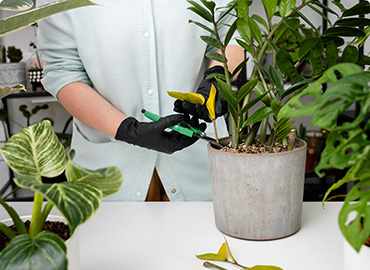
Gardeners are restless because January has been colder and wetter than expected. While it’s not too early to finish a few garden jobs despite the cold and dreary weather, others should be put off until the warmer weather arrives. Pollinators that overwinter in leaf litter and stems should be encouraged. Pollinators can use leaves and stems from previous seasons as habitat.Bees hibernating underground and moths and butterflies that overwinter on the leaves benefit greatly from leaves left on the ground. Most hibernating pollinators will be protected if you keep your leaves on the ground until temperatures rise above 50 degrees F for five consecutive days. Bees that build their nests in stems may not emerge until the middle of June or later. It is better for the bees if the stems are left alone. Any bees nesting in the stems will emerge soon, and the old stems will decay. When you want to get rid of last season’s stems before mid-June, locate a safe place to store them until the bees that might be nesting in them have a chance to emerge. You can compost these stems once summer arrives. Leave around 12 inches of stem standing while cutting stems back to provide nesting habitat for this summer’s bees. When the soil is wet and the temps are cool, lawn wear and tear is increased. For a healthy lawn later this year, put off lawn care until the soil and grass have dried up. The timing will differ from property to property and even within a single yard. A lawn that looks south dries out faster than one that faces north. A sloped region will also dry up faster since gravity will drive water down the slope, leaving the top of the slope dry. The best circumstances for tree and shrub establishment are cool temperatures and spring rain. Planting dormant nursery stock, including bare-root, containerized, container-grown, and balled and bur-lapped plants, is ideal at this time of year. It’s also a good time of year to make sure all of your other trees and bushes have enough mulch. All you need is a two- to three-inch layer of wood chips or bark mulch under the discipline of your plant. Just be careful not to lay mulch against the plant’s trunk. Between the trunk and the mulch, leave four inches.
Uthan Must-Have Plants for Mother’s Day
- admin1
- No Comments
- December 20, 2021
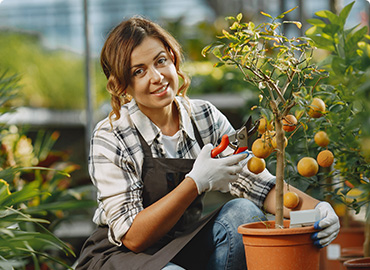
Gift for your special someone at her favorite store! We have THOUSANDS of gift options for your Mom, a special Mom in your life, or even for you to put on your children’s wish lists! Our footprint has grown as a result of the recent development, with additional plants she’ll adore, a large pavilion full of gift ideas for her home + garden, pottery in all sizes and colors, furniture, and much more. Gift cards are a convenient and quick gift that allows Mom to purchase for her favorite items at any time of year. If you’d want to get Mom a special plant, we’ve compiled a list of blooming beauties that we think she’d like right now! Choose from lovely blossoms, or plants in Mom’s favorite color family. There are gift options around every corner; come stroll and browse! Because we have so many plants and pots, treat Mom to a bespoke container garden! We can assist you in selecting the appropriate plants for full sun or partial shade. Mix and match colors and textures, or stick to one color—the choices are endless! Pentas, vinca, salvias, angelonias, zinnas, and many more full-sun plants thrive in containers. Caladiums, begonias, torenias, impatiences, and many more plants are excellent for Mom’s more shady region. Hydrangea are beautiful flowering vines that produce blossoms as large as your hand. These are hardy perennials that prefer to keep their roots covered but can tolerate some sun. There are several colors to choose from, ranging from white to vibrant purple. They look beautiful on a trellis in a huge pot, on a wall, on an arbor, a mailbox, and other climbing structures. Most mothers adore the delicate, pleasant appearance of daisies. Shasta doesn’t let you down. It can be planted in Mom’s garden or mixed together with others in a full-sun container. Cutting the blossoms, setting them in a vase, and using them as a tabletop reminder gift is a delightful thing for Mom to do with these. Unlike a store-bought bouquet, this type of “cut flowers” lasts far longer Do you think Mom would appreciate unusual trees that add interest (and shade) to a back or front yard? A Japanese Maple tree is a great choice. The mature height, leaf and/or bark color vary each variety, but they all have a light, wispy appearance that makes them the center of attention—much like Mom on Mother’s Day. Indoor plants bring the outdoors in, soothe moods, and, most importantly, filter the air so Mom can stay healthy and happy, whether she works in an office, works from home, or simply appreciates the aesthetic of living plants in her home space. Our greenhouse is brimming with possibilities, including all hues of green, succulents, and cacti for the mom who prefers a unique design, or the traditional Uthan Ivy, or the fashionable Peperomia or Bow Leaf Fig.
4 Steps to a Green Lawn in the Spring
- admin1
- No Comments
- December 19, 2021
It’s not uncommon to observe symptoms of salt damage on your lawn in the northernmost regions. The cold grip of winter is beginning to relax. The signs of life are beginning to emerge, but there’s still some work to be done before you can start throwing garden parties or sipping lemonade in the backyard. Here are a few actions you can take to help your grass come back to life and make your yard envious. Despite popular assumption, dead grass does not imply hopelessness. There are still plenty of options for restoring that lush, green-envy lawn after a season of dormant grass and dreary days. Remove any debris from the grass before watering once or twice weekly during periods of no rain, though extra watering may be required if there is no rain. Provide enough water to wet the soil to a depth of 6 inches. Watering the grass seldom but deeply stimulates it to develop deep, strong roots that will help it endure drought later in the summer. Saltwater tastes great in meals, but it’s not so great when it’s strewn across your lawn, perhaps leaving brown patches. It’s not uncommon to observe symptoms of salt damage on your lawn in the northernmost regions, where salt spray is popular throughout the winter. So, do you think you can repair salt damage? Yes, and it’s actually rather simple! Say hello to healthy grass by watering your lawn to dilute the salt content. Snow mold is a stealthy disease that primarily affects cool-season grasses and only appears once the snow melts in the spring season. Snow mold appears after a big snowfall when the earth has not yet frozen completely. Mold grows slowly within the grass due to the already damp grass, leaves, and debris. Snow mold comes in two varieties: gray snow mold and pink snow mold. Straw-colored circular patches varying in size from a few inches to several feet across may appear in the lawn once the snow melts in the spring. In these areas, the grass is frequently matted and crusty. If the patches are caused by gray snow mold, they will appear grayish-white, and if they are caused by pink snow mold, they will appear whitish-pink. Pink snow mold is more dangerous than gray snow mold because it can harm grass plants’ crowns and roots, although gray snow mold normally only affects the grass blades. Small pieces of dry grass accumulate on the top layer of your grass over time, often forming a thick coating. Inspecting the thatch layer on your grass is one technique to care for it. Core stimulation will break up the thatch and allow water, nutrients, and oxygen to reach the roots if the layer of fallen grass and organic matter on top of the soil is thicker than one-half inch. It’s not necessary for the green grass of your dreams to merely exist in your dreams. If you’re dealing with barren places on your lawn, you might be thinking if seed or sod is the best choice.